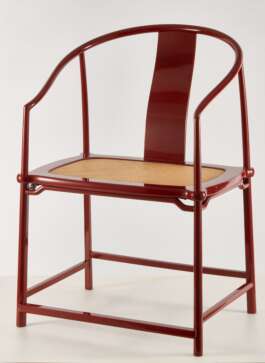
© Ruqi Art
COLLECTIBLE In-Depth
Ruqi Culture & Art Co.
March 2026
This series, COLLECTIBLE In-Depth, unveils the backstage of contemporary creation. Tackling various topics from personal designer processes to the position of collectible design on the global design market, COLLECTIBLE In-Depth offers different views to suit all tastes. Today we speak with Ruqi Culture & Art Co.
COLLECTIBLE: Why do you focus on contemporary collectible design? What does it mean to you?
Ruqi Culture & Art Co.: I focus on contemporary collectible design because lacquer is not merely a traditional craft but a living material for modern expression. To me, it means bridging 7,000 years of Chinese heritage with today’s life — creating functional art that carries time, texture, and meaning. Collectible design allows this ancient medium to speak to the present, proving beauty and utility can endure.
C: How do you see the position of contemporary collectible design within the design market? How is the market evolving?
RCAC: Contemporary collectible design sits at the intersection of art, craft, and living. It is evolving from niche luxury toward broader recognition as meaningful investment — pieces that are functional yet unique, made to last generations rather than seasons. The market is shifting toward sustainability, storytelling, and personal connection, with collectors seeking objects that reflect identity and values. It rewards patience, originality, and emotional resonance over mass production.
C: What does collectible design bring compared to more mass-produced objects?
RCAC: Collectible design brings longevity, individuality, and emotional depth. Mass-produced items prioritize speed and cost; collectible pieces prioritize time, craftsmanship, and uniqueness. They are made to be kept, not discarded — objects that gain character with age. For me, they carry memory and meaning, becoming part of a person’s life story rather than temporary commodities.
C: What advice would you give to someone starting a collection of contemporary design?
RCAC: Start with what moves you emotionally — not what is trendy or expensive. Touch, sit, live with the piece if possible. Look for works with honest craftsmanship, sustainable materials, and a strong story. Buy fewer, better things that will age beautifully and hold meaning over time. Trust your instinct: a good piece should feel alive and timeless, not just look impressive.

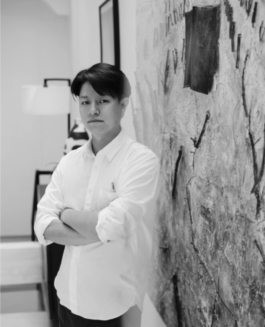
© Guo Lei

© Ruqi Art
COLLECTIBLE In-Depth
Ruqi Culture & Art Co.
March 2026
This series, COLLECTIBLE In-Depth, unveils the backstage of contemporary creation. Tackling various topics from personal designer processes to the position of collectible design on the global design market, COLLECTIBLE In-Depth offers different views to suit all tastes. Today we speak with Ruqi Culture & Art Co.
COLLECTIBLE: Why do you focus on contemporary collectible design? What does it mean to you?
Ruqi Culture & Art Co.: I focus on contemporary collectible design because lacquer is not merely a traditional craft but a living material for modern expression. To me, it means bridging 7,000 years of Chinese heritage with today’s life — creating functional art that carries time, texture, and meaning. Collectible design allows this ancient medium to speak to the present, proving beauty and utility can endure.
C: How do you see the position of contemporary collectible design within the design market? How is the market evolving?
RCAC: Contemporary collectible design sits at the intersection of art, craft, and living. It is evolving from niche luxury toward broader recognition as meaningful investment — pieces that are functional yet unique, made to last generations rather than seasons. The market is shifting toward sustainability, storytelling, and personal connection, with collectors seeking objects that reflect identity and values. It rewards patience, originality, and emotional resonance over mass production.
C: What does collectible design bring compared to more mass-produced objects?
RCAC: Collectible design brings longevity, individuality, and emotional depth. Mass-produced items prioritize speed and cost; collectible pieces prioritize time, craftsmanship, and uniqueness. They are made to be kept, not discarded — objects that gain character with age. For me, they carry memory and meaning, becoming part of a person’s life story rather than temporary commodities.
C: What advice would you give to someone starting a collection of contemporary design?
RCAC: Start with what moves you emotionally — not what is trendy or expensive. Touch, sit, live with the piece if possible. Look for works with honest craftsmanship, sustainable materials, and a strong story. Buy fewer, better things that will age beautifully and hold meaning over time. Trust your instinct: a good piece should feel alive and timeless, not just look impressive.

© Guo Lei